

Hey there! I'm a supplier of Tempered Glass Control Panels, and today I want to chat about how humidity can affect these nifty panels.

First off, let's understand what tempered glass control panels are. They're used in a bunch of different places, like smart access control systems, touch access locks, and automatic door keyless locks. For instance, the Smart Access Control Anti-fingerprint Tempered Glass Panel is designed to be used in access control scenarios, providing a sleek and functional interface. The 2mm Touch Access Lock Glass is perfect for touch-based access locks, and the Automatic Door Keyless Lock Protects Tempered Glass safeguards the keyless lock system on automatic doors.
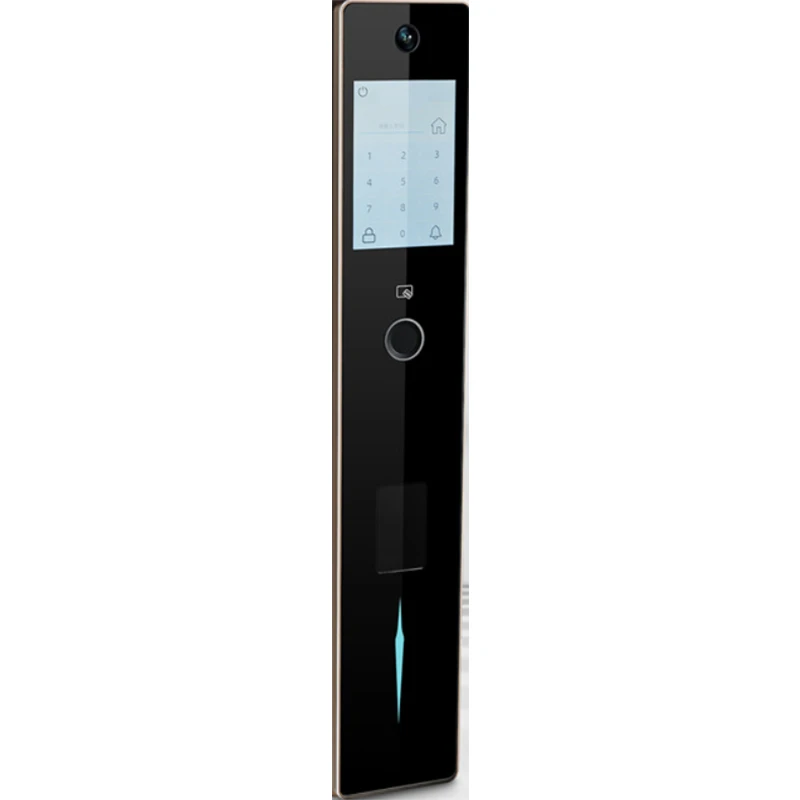
Now, let's dive into how humidity comes into play. Humidity is basically the amount of water vapor in the air. It can vary a lot depending on the location, the season, and even the time of day. And this humidity can have a few different effects on tempered glass control panels.

1. Condensation
One of the most obvious effects of high humidity is condensation. When the air is full of water vapor and it comes into contact with a cooler surface, like a tempered glass control panel, the water vapor can turn into liquid water. This is the same thing that happens when you take a cold drink out on a hot, humid day, and the outside of the glass gets all wet.
For tempered glass control panels, condensation can be a real pain. It can make the panel look foggy, which is not only unappealing but can also make it hard to see the display or use the touch controls. If the condensation gets bad enough, it can even drip down and cause damage to the electronics inside the panel.
Let's say you've installed a 2mm Touch Access Lock Glass in a place with high humidity, like a bathroom or a pool area. Over time, the constant condensation can start to corrode the electrical connections on the back of the panel. This can lead to malfunctions, like the lock not responding properly or the touch controls becoming unresponsive.
2. Corrosion
Humidity can also speed up the process of corrosion. Corrosion is when metals react with oxygen and water in the air to form rust or other types of corrosion products. Many tempered glass control panels have metal components, like the screws, brackets, or electrical contacts.
In a high-humidity environment, these metal parts are more likely to corrode. The water in the air acts as an electrolyte, which helps the chemical reactions that cause corrosion to happen more quickly. For example, if the screws holding the Smart Access Control Anti-fingerprint Tempered Glass Panel in place start to corrode, they can become loose. This can make the panel unstable and may even cause it to fall off the wall.
The electrical contacts inside the panel are also at risk. Corrosion on these contacts can increase the resistance, which means that the electrical signals may not be able to flow properly. This can lead to issues like intermittent malfunctions or complete failure of the panel.
3. Adhesive Failure
Many tempered glass control panels are attached to their frames or enclosures using adhesives. Humidity can have a big impact on the performance of these adhesives.
When the humidity is high, the adhesive can absorb water. This can cause the adhesive to swell and lose its strength. Over time, the bond between the glass panel and the frame can weaken, and the panel may start to come loose.
Imagine you've installed an Automatic Door Keyless Lock Protects Tempered Glass on an automatic door. If the adhesive fails due to high humidity, the glass panel could come off while the door is in operation. This not only poses a safety risk but also means that the keyless lock system won't work properly.

4. Impact on Electronic Components
The electronic components inside the tempered glass control panel are also sensitive to humidity. High humidity can cause the components to malfunction or even fail completely.
Moisture can seep into the tiny cracks and gaps in the electronic components, causing short circuits. It can also react with the materials inside the components, leading to chemical changes that affect their performance. For example, the resistors and capacitors in the panel may change their values, which can throw off the entire electrical circuit.
In addition, humidity can also attract dust and other contaminants. These particles can stick to the wet surfaces of the electronic components, further interfering with their operation.
How to Mitigate the Effects of Humidity
So, what can you do to protect your tempered glass control panels from the effects of humidity?
- Proper Ventilation: Make sure the area where the panel is installed has good ventilation. This can help to reduce the humidity levels by allowing the moist air to escape and fresh, dry air to come in. For example, if you're installing a panel in a bathroom, you can use an exhaust fan to remove the humid air.
- Sealing: Use proper seals and gaskets to prevent moisture from getting into the panel. This can help to protect the electronic components and the adhesive bonds.
- Desiccants: You can also use desiccants, like silica gel packets, to absorb the moisture in the air around the panel. Place these desiccants in the enclosure or near the panel to keep the humidity levels low.
- Choose the Right Location: When installing the panel, choose a location that is less likely to be affected by high humidity. Avoid areas like basements, bathrooms, and pool areas if possible.
In conclusion, humidity can have a significant impact on tempered glass control panels. It can cause condensation, corrosion, adhesive failure, and problems with the electronic components. But by taking the right precautions, you can minimize these effects and ensure that your panels work properly for a long time.
If you're in the market for high-quality tempered glass control panels, we've got you covered. Whether you need the Smart Access Control Anti-fingerprint Tempered Glass Panel, the 2mm Touch Access Lock Glass, or the Automatic Door Keyless Lock Protects Tempered Glass, we have a wide range of options to suit your needs. Get in touch with us to start a procurement discussion and find the perfect panel for your project.
References
- ASHRAE Handbook - Fundamentals. American Society of Heating, Refrigerating and Air-Conditioning Engineers.
- "Corrosion of Metals in Atmospheric Environments" by S. K. Cottis and H. J. Leckie.
- "Adhesives and Sealants Technology" by J. D. Minford.