

Hey there! As a supplier of touch panel tempered glass, I've seen a lot of folks struggling to figure out if the tempered glass they're getting is the real deal. It's a big deal because genuine tempered glass can make a huge difference in the performance and durability of touch panels. So, I thought I'd share some tips on how to tell if touch panel tempered glass is genuine.
1. Check the Appearance
First off, take a good look at the glass. Genuine tempered glass usually has a smooth and uniform surface. You won't see any visible scratches, bubbles, or waves. If the glass looks rough or has imperfections, it might not be tempered properly. Also, look at the edges. Tempered glass has smooth, rounded edges. Sharp edges are a sign that the glass might not be tempered.
Another thing to check is the color. Most tempered glass has a slightly greenish tint, especially when you look at it from the edge. This is normal and is due to the iron content in the glass. If the glass has a very strong or unusual color, it could be a sign of low - quality or non - tempered glass.
2. Perform the Stress Test
One of the best ways to tell if the glass is tempered is by performing a stress test. You can use a polarizing filter for this. Hold the polarizing filter in front of the glass and look through it at a light source. If the glass is tempered, you'll see a pattern of stress lines, which look like a spider web or a series of irregular shapes. These stress lines are created during the tempering process when the glass is heated and then rapidly cooled.
If you don't have a polarizing filter, you can also try using a smartphone screen protector. Some smartphone screen protectors are made of polarizing material. Hold the protector in front of the glass and look at it against a bright light. You should be able to see the stress lines if the glass is tempered.
3. Check the Thickness
Genuine tempered glass usually has a consistent thickness. Measure the thickness of the glass at different points using a caliper. If the thickness varies significantly, it could be a sign that the glass is not tempered properly or is a low - quality product.
For example, if you're looking at a touch panel for an elevator, like the Elevator Operation Panel with Glass Material, the glass should have a uniform thickness throughout. This ensures that the panel functions correctly and is durable.
4. Look for Safety Standards and Certifications
Reputable tempered glass suppliers will ensure that their products meet certain safety standards. Look for certifications such as ANSI Z97.1 (in the United States) or EN 12150 (in Europe). These certifications indicate that the glass has been tested and meets the required safety and quality standards.
When you're purchasing touch panel tempered glass, ask the supplier for these certifications. If they can't provide them, it's a red flag. For instance, if you're interested in a 4mm Touch Access Lock Glass, make sure it comes with the appropriate certifications.
5. Test the Strength
Tempered glass is much stronger than regular glass. You can do a simple strength test by gently tapping the glass with a hard object, like a key. If the glass is tempered, it should withstand the tap without cracking or breaking easily. However, don't be too rough with this test, as tempered glass can still break under extreme force.
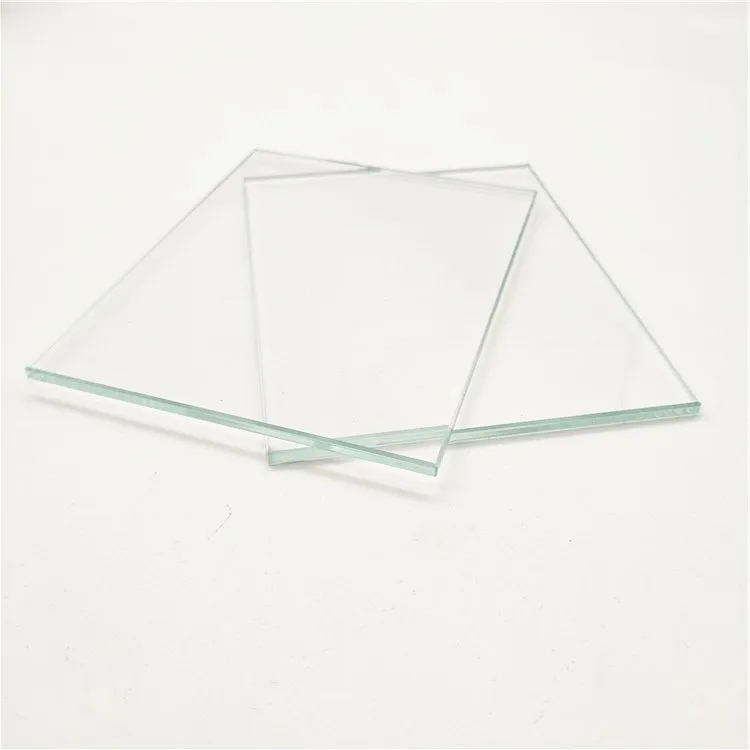

Another way to test the strength is to apply pressure evenly across the surface of the glass. If the glass starts to crack or break under normal pressure, it's probably not tempered. For example, an Elevator Touch Control Glass Panel needs to be strong enough to withstand regular use, so a strength test can give you an idea of its quality.
6. Check the Shattering Pattern
If you have the opportunity to break the glass (in a safe and controlled environment, of course), tempered glass will shatter into small, rounded pieces instead of large, sharp shards. This is one of the key safety features of tempered glass. Regular glass will break into long, sharp pieces that can be very dangerous.
However, I don't recommend breaking the glass just to test it. But if you come across a broken piece of glass, you can examine the shattering pattern to determine if it was tempered.
Why Genuine Tempered Glass Matters
Using genuine tempered glass in touch panels is crucial. It offers better protection against scratches, impacts, and heat. In applications like elevator touch panels, it ensures the safety and reliability of the equipment. If you use non - tempered or low - quality glass, it can break easily, leading to safety hazards and costly replacements.
Wrapping Up
Figuring out if touch panel tempered glass is genuine might seem a bit tricky at first, but with these tips, you'll be able to make a more informed decision. Remember to check the appearance, perform stress tests, verify the thickness, look for certifications, test the strength, and examine the shattering pattern.
If you're in the market for high - quality touch panel tempered glass, don't hesitate to reach out for a purchase negotiation. We're here to provide you with the best products and services to meet your needs.
References
- "Glass Technology Handbook" by W. A. Weyl
- "Safety Glazing Materials: A Guide to Selection and Use" by the American Architectural Manufacturers Association