

Oven tempered glass is a crucial component in modern oven design, and one of the most frequently asked questions is whether it is heat-resistant. As a supplier of oven tempered glass, I am well-positioned to provide a comprehensive and scientific answer to this question.
Understanding Oven Tempered Glass
Oven tempered glass is a type of safety glass that has been chemically or thermally treated to increase its strength and resistance to heat. The tempering process involves heating the glass to a high temperature and then rapidly cooling it, which creates internal stresses that make the glass stronger and more durable. This treatment also gives the glass its characteristic ability to shatter into small, relatively harmless pieces when broken, rather than sharp shards.
Heat Resistance of Oven Tempered Glass
The short answer is yes, oven tempered glass is heat-resistant. In fact, it is specifically designed to withstand the high temperatures generated inside an oven. Most oven tempered glass can safely handle temperatures ranging from 200°C to 700°C (392°F to 1292°F), depending on the specific type and quality of the glass.
This high heat resistance is essential for several reasons. Firstly, it ensures the safety of the oven users. When the oven is in operation, the internal temperature can reach very high levels. If the oven door glass were not heat-resistant, it could crack or shatter, posing a significant risk of injury. Secondly, heat resistance allows the glass to maintain its structural integrity over time. Continuous exposure to high temperatures can cause normal glass to weaken and eventually break, but oven tempered glass can withstand these conditions without degradation.
Factors Affecting Heat Resistance
While oven tempered glass is generally heat-resistant, several factors can affect its performance.
-
Quality of Tempering: The quality of the tempering process plays a crucial role in determining the heat resistance of the glass. A well-tempered glass will have a more uniform stress distribution, which allows it to better withstand high temperatures. Inferior tempering can result in uneven stress, making the glass more susceptible to cracking under heat.
-
Thickness of the Glass: Thicker glass generally has better heat resistance than thinner glass. This is because a thicker glass can absorb and distribute heat more evenly, reducing the risk of thermal stress fractures. However, the thickness also needs to be balanced with other factors such as weight and cost.
-
Type of Oven and Usage: Different types of ovens generate different levels of heat. For example, a conventional electric oven may have a lower maximum temperature compared to a gas oven or a convection oven. The frequency and duration of oven use also matter. If an oven is used continuously at high temperatures for long periods, the glass will be exposed to more stress, which can potentially affect its heat resistance over time.
Applications of Oven Tempered Glass
Oven tempered glass is widely used in various types of ovens, including domestic ovens in households and commercial ovens in restaurants and bakeries.
-
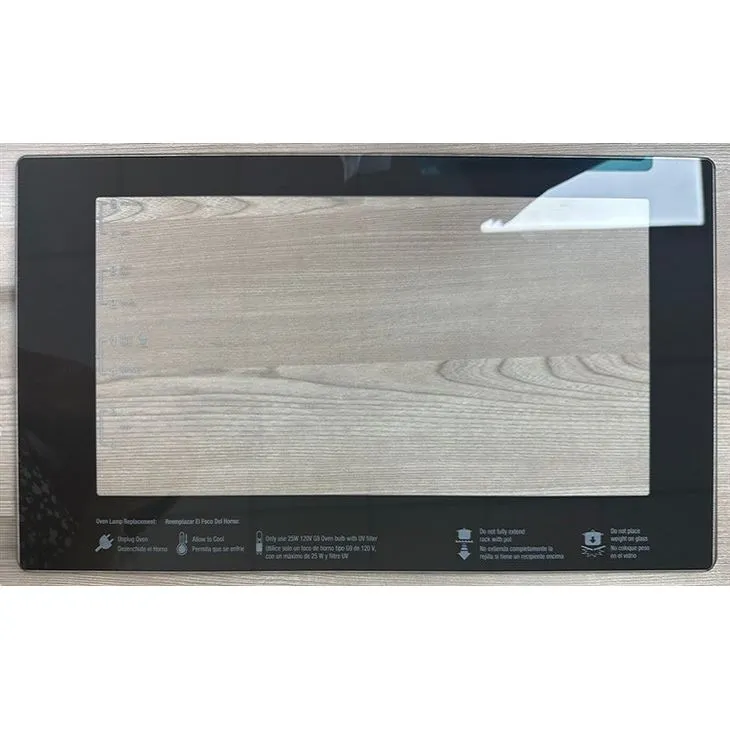
Domestic Ovens: In home kitchens, oven tempered glass is used in oven doors to allow users to monitor the cooking process without opening the door and losing heat. The Inner Glass for Oven Door is a common application. It provides a clear view of the food inside, while also helping to maintain the oven's energy efficiency.
-
Commercial Ovens: In the commercial food service industry, ovens are often used at high volumes and for extended periods. The heat resistance of oven tempered glass is crucial to ensure the safe and efficient operation of these ovens. For example, Belling Inner Door Glass and Bush Oven Inner Door Glass are designed to meet the demands of commercial baking and cooking.
Choosing the Right Oven Tempered Glass
When selecting oven tempered glass, it is important to consider the specific requirements of your oven.
-
Oven Compatibility: Make sure the glass you choose is compatible with the make and model of your oven. Different ovens may have different door sizes, shapes, and mounting requirements.
-
Heat Resistance Rating: Check the heat resistance rating of the glass to ensure it can handle the maximum temperature of your oven. This information is usually provided by the glass manufacturer.
-
Safety Standards: Look for glass that meets relevant safety standards, such as those set by international organizations or local regulatory bodies. This ensures that the glass has been tested and approved for use in ovens.
Maintenance and Care
Proper maintenance and care can help extend the lifespan of oven tempered glass and maintain its heat resistance.
-
Regular Cleaning: Clean the glass regularly to remove grease, food residues, and other contaminants. Use a mild glass cleaner and a soft cloth to avoid scratching the glass.
-
Avoid Sudden Temperature Changes: Do not expose the hot glass to cold water or other cold substances immediately after use. Sudden temperature changes can cause thermal stress and potentially lead to cracking.
-
Inspect for Damage: Regularly inspect the glass for any signs of damage, such as cracks or chips. If you notice any damage, replace the glass immediately to prevent further problems.

Conclusion
In conclusion, oven tempered glass is indeed heat-resistant, and it is an essential component in modern oven design. Its high heat resistance ensures the safety and efficiency of ovens, whether in domestic or commercial settings. As an oven tempered glass supplier, I am committed to providing high-quality glass products that meet the diverse needs of our customers.
If you are in the market for oven tempered glass, whether it is for a new oven installation or a replacement, I encourage you to contact us for more information. Our team of experts can help you choose the right glass for your specific requirements and provide professional advice on installation and maintenance. Let us work together to ensure your oven operates safely and efficiently with the best oven tempered glass available.
References
- ASTM International. "Standard Specification for Heat-Treated Flat Glass for Safety - General Requirements." ASTM C1048 - 19.
- Glass Association of North America. "Understanding Tempered Glass."