

Oven tempered glass is a crucial component in modern kitchen appliances, known for its strength, safety, and heat resistance. As a leading supplier of oven tempered glass, I am often asked about its chemical composition. In this blog post, I will delve into the details of what makes up oven tempered glass, its properties, and why it is the ideal choice for oven applications.
The Basics of Oven Tempered Glass
Oven tempered glass is a type of safety glass that undergoes a special heat treatment process to enhance its strength and durability. This process involves heating the glass to a high temperature and then rapidly cooling it, which creates internal stresses that make the glass more resistant to breakage. When tempered glass does break, it shatters into small, relatively harmless pieces, reducing the risk of injury.
Chemical Composition of Oven Tempered Glass
The primary chemical component of oven tempered glass is silica (SiO₂), which makes up about 70 - 75% of its composition. Silica is a naturally occurring compound found in sand and is the main ingredient in most types of glass. It provides the basic structure and stability of the glass.
In addition to silica, oven tempered glass contains several other chemical compounds that contribute to its properties:
- Sodium Oxide (Na₂O): Accounting for about 12 - 16% of the composition, sodium oxide acts as a flux, lowering the melting point of the glass mixture. This makes it easier to shape and form the glass during the manufacturing process.
- Calcium Oxide (CaO): Present in about 5 - 12% of the glass, calcium oxide helps to improve the chemical durability and mechanical strength of the glass. It also reduces the solubility of the glass in water and other chemicals.
- Magnesium Oxide (MgO): Usually around 2 - 3% of the composition, magnesium oxide enhances the chemical resistance and thermal stability of the glass. It also helps to reduce the tendency of the glass to devitrify, or crystallize, during the tempering process.
- Aluminum Oxide (Al₂O₃): With a content of about 1 - 2%, aluminum oxide improves the hardness, scratch resistance, and chemical stability of the glass. It also helps to increase the glass's resistance to thermal shock.
Additional Additives
Some oven tempered glass may also contain small amounts of other additives to achieve specific properties:
- Colorants: To give the glass a specific color, such as black or gray, small amounts of metal oxides like cobalt oxide (CoO), nickel oxide (NiO), or iron oxide (Fe₂O₃) may be added.
- Refiners: Compounds like arsenic oxide (As₂O₃) or antimony oxide (Sb₂O₃) are sometimes used as refiners to remove bubbles from the molten glass during the manufacturing process. However, due to their toxicity, these are being phased out in favor of more environmentally friendly alternatives.
- Ceramic Frits: In the case of screen - printed oven tempered glass, such as 3mm 4mm Screen Printing Oven Tempered Glass, ceramic frits are used to create the printed patterns. These frits are composed of various metal oxides and glass formers that are fused onto the glass surface during the tempering process.
Properties of Oven Tempered Glass
The chemical composition of oven tempered glass gives it several important properties that make it suitable for oven applications:
- High Heat Resistance: Due to its chemical structure and the tempering process, oven tempered glass can withstand high temperatures, typically up to 300 - 400°C (572 - 752°F). This allows it to be used as a window in oven doors, where it can safely display the contents of the oven without cracking or breaking.
- Strength and Durability: The internal stresses created during the tempering process make the glass up to five times stronger than ordinary glass. This makes it resistant to impacts, scratches, and thermal shock, ensuring a long - lasting and reliable performance in oven environments.
- Safety: As mentioned earlier, when oven tempered glass breaks, it shatters into small, rounded pieces rather than sharp shards. This significantly reduces the risk of injury, making it a safer option for use in kitchens.
Applications of Oven Tempered Glass
Oven tempered glass is used in a variety of oven - related applications:
- Oven Doors: The most common application is in oven doors. Both the inner and outer glass panels are often made of tempered glass. The Inner Glass for Oven Door needs to withstand the high temperatures inside the oven, while the outer glass provides a barrier between the hot interior and the user.
- Bush Oven Inner Door Glass: Specific oven models, like those by Bush, require specialized inner door glass. Bush Oven Inner Door Glass is designed to fit the exact specifications of these ovens, ensuring a perfect seal and optimal performance.
Why Choose Our Oven Tempered Glass
As a supplier of oven tempered glass, we take pride in offering high - quality products that meet the strictest industry standards. Our glass is manufactured using the latest technology and the finest raw materials, ensuring consistent quality and performance.
We offer a wide range of oven tempered glass products, including different sizes, thicknesses, and colors to meet the diverse needs of our customers. Whether you are an oven manufacturer looking for a reliable glass supplier or a consumer in need of a replacement glass for your oven, we have the solution for you.

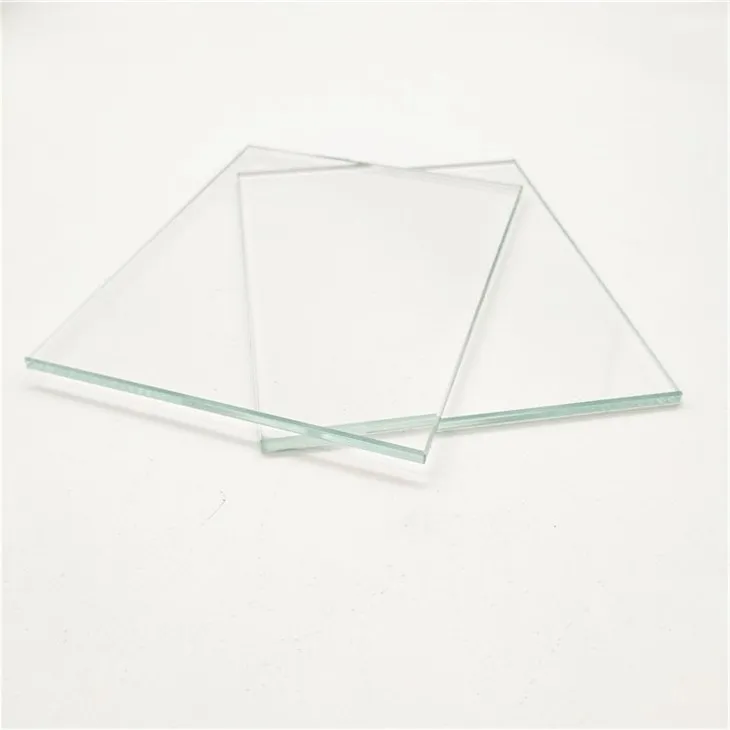
Our team of experts is dedicated to providing excellent customer service and technical support. We can help you choose the right type of oven tempered glass for your specific application and ensure a smooth and hassle - free purchasing process.
Contact Us for Procurement
If you are interested in purchasing oven tempered glass, we invite you to contact us for a detailed discussion. Our sales team is ready to answer all your questions, provide a competitive quote, and assist you with your procurement needs. Whether you need a small quantity for a home repair or a large order for an oven manufacturing project, we are here to serve you.
References
- "The Science of Glass" by Mark D. Ediger.
- "Glass: Science and Technology" edited by David R. Uhlmann and Norman J. Kreidl.