

As a supplier of 4mm Touch Access Lock Glass, I often encounter numerous inquiries from clients regarding the product's various properties. One question that frequently arises is about the water absorption rate of this specialized glass. In this blog post, I'll delve into what the water absorption rate of 4mm Touch Access Lock Glass is, why it matters, and how it relates to the overall quality and performance of the glass.
Understanding Water Absorption Rate
The water absorption rate of a material refers to the amount of water that the material can absorb under specific conditions, usually expressed as a percentage of the material's dry weight. For glass, the water absorption rate is a crucial parameter as it can impact several aspects of its performance, including durability, transparency, and resistance to chemical corrosion.
In the case of 4mm Touch Access Lock Glass, a low water absorption rate is highly desirable. This is because water absorption can lead to several issues. When glass absorbs water, it can cause the glass to swell slightly, which may affect the precision of touch sensors in touch access lock systems. Additionally, water can carry dissolved substances that may react with the glass surface over time, leading to staining, etching, or a decrease in transparency.
The Water Absorption Rate of 4mm Touch Access Lock Glass
Typically, high - quality 4mm Touch Access Lock Glass has an extremely low water absorption rate, often less than 0.1%. This low rate is achieved through a combination of high - purity raw materials and advanced manufacturing processes.
During the manufacturing of this glass, special attention is paid to ensuring a homogeneous structure. The glass is usually made from silica - based materials, which inherently have low water absorption properties. Through processes like melting at high temperatures and controlled cooling, the glass forms a dense and stable molecular structure that resists water penetration.
Our company's 4mm Touch Access Lock Glass is no exception. We use state - of - the - art production techniques to ensure that the water absorption rate remains well below the industry standard. This not only guarantees the long - term performance of the glass in touch access lock applications but also provides a high level of reliability for our customers.
Importance of Low Water Absorption in Touch Access Lock Applications
In touch access lock systems, precision is key. The touch sensors need to accurately detect the touch of a finger or an object to unlock the door or access the system. Any change in the glass's physical properties, such as those caused by water absorption, can disrupt this precision.
A low water absorption rate also means better resistance to environmental factors. Touch access locks are often installed in various locations, including outdoor areas where they are exposed to rain, humidity, and other weather conditions. With a low water absorption rate, the glass can withstand these environmental challenges without significant degradation.
Moreover, in terms of aesthetics, a low water absorption rate helps maintain the glass's clarity and appearance. Stained or cloudy glass can significantly reduce the visual appeal of a touch access lock system, which is especially important in high - end applications such as luxury buildings or modern offices.
Comparison with Other Glass Products
To better understand the significance of the water absorption rate of 4mm Touch Access Lock Glass, let's compare it with some other types of glass products.
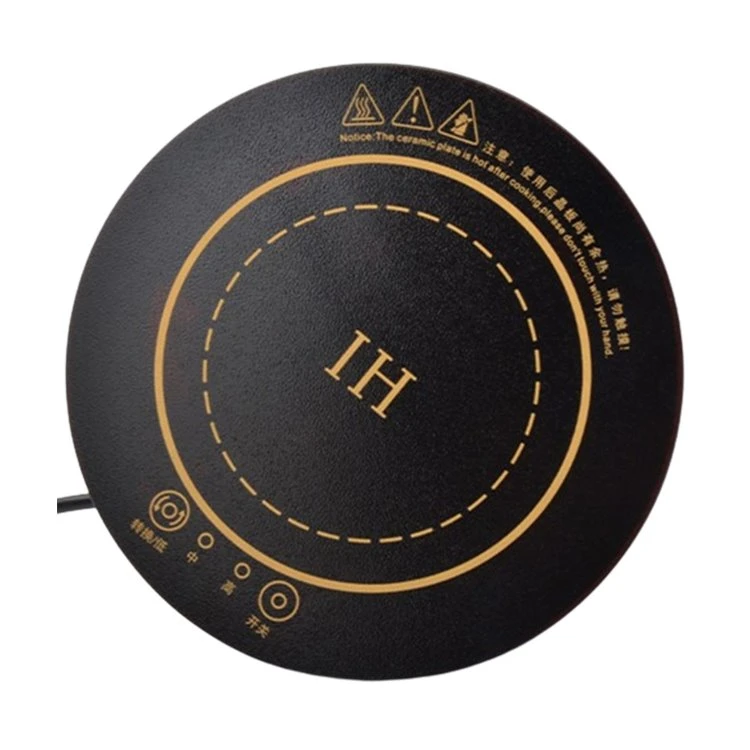
For example, Induction Cooker Tempered Glass Panel also requires a low water absorption rate. In induction cookers, the glass panel is exposed to high temperatures and steam during cooking. A high water absorption rate could lead to thermal stress and cracking of the glass. However, the requirements for touch sensitivity are not as strict as in touch access lock glass.
Rice Cooker Control Panel glass also needs to resist water and steam. But again, the primary focus is on heat resistance and chemical stability rather than touch precision.
Refrigerator Tempered Display Panel glass is exposed to a cold and humid environment inside the refrigerator. A low water absorption rate is necessary to prevent fogging and damage to the display. However, the touch requirements are different from those of touch access lock glass.

Testing and Quality Assurance
To ensure that our 4mm Touch Access Lock Glass meets the strict standards for water absorption rate, we conduct comprehensive testing. We use industry - recognized testing methods, such as the ASTM C20 standard, which measures the water absorption of refractory materials.
Samples of the glass are dried to a constant weight and then immersed in water for a specified period. After removal from the water, the samples are wiped dry and re - weighed. The difference in weight before and after immersion is used to calculate the water absorption rate.
Our quality control team conducts these tests regularly at different stages of the production process to ensure consistency and compliance with the required specifications. Only after passing these rigorous tests is the glass approved for shipment to our customers.
Conclusion
The water absorption rate of 4mm Touch Access Lock Glass is a critical factor that directly impacts its performance, durability, and aesthetics in touch access lock applications. With a low water absorption rate, usually less than 0.1%, this glass provides reliable and long - lasting service.
If you are in the market for high - quality 4mm Touch Access Lock Glass, we invite you to contact us for more information and to discuss your specific requirements. Our team of experts is ready to assist you in finding the best solution for your touch access lock projects. Whether you are a manufacturer of security systems, an architect designing a modern building, or a contractor looking for reliable glass products, we can provide you with the glass that meets your needs.
References
- ASTM International. ASTM C20 - 10(2015) Standard Test Method for Apparent Porosity, Water Absorption, Bulk Density, and True Specific Gravity of Burned Refractory Brick and Shapes by Boiling Water.
- Glass Manufacturing Handbook: Principles, Processes, and Applications.