

Tempered glass mirrors are engineered to offer enhanced safety compared to conventional mirrors. Through a specialized heat treatment process, tempered glass becomes significantly stronger and more resistant to breakage than regular glass. This treatment also alters the way the glass breaks upon impact: instead of shattering into large, sharp shards that can cause serious injuries, tempered glass fractures into small, relatively harmless pieces.
Tempered glass mirrors' safety advantages are especially important in public spaces like bathrooms, gyms, and other places where safety is a concern. In these settings, the diminished gamble of injury from broken glass gives genuine serenity to clients and executives the same. Tempered glass mirrors also have a higher safety profile due to their durability, making them less likely to break during installation or regular use.
The safety features of tempered glass mirrors make them a preferred choice for applications where safety and durability are paramount concerns. By minimizing the risk of injury from glass breakage, tempered glass mirrors offer both practical functionality and enhanced safety in various settings.
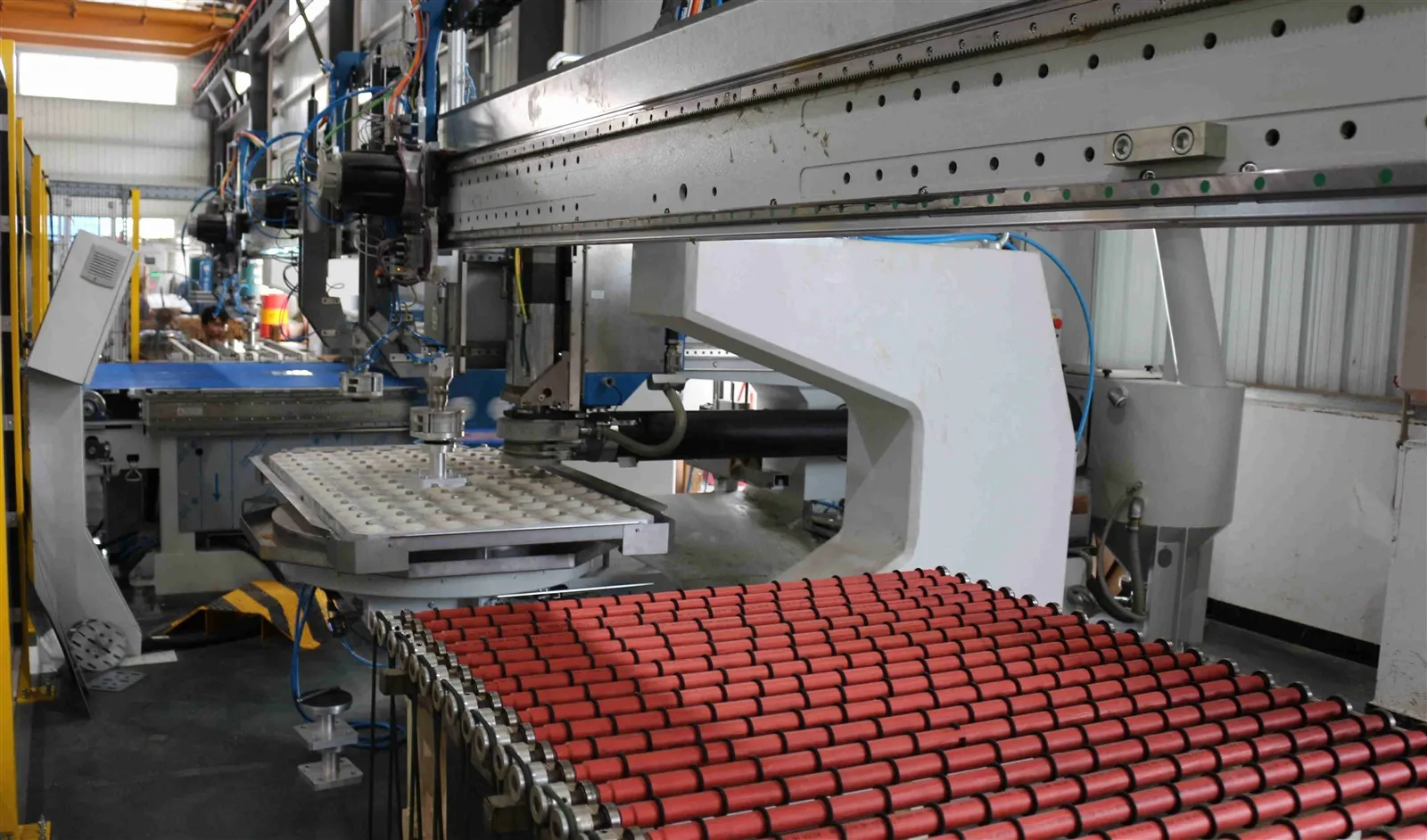
Factors Influencing the Safety of Tempered Glass Mirrors
Several factors play significant roles in determining the safety of tempered glass mirrors:
Quality of Tempering Process: The safety and effectiveness of tempered glass mirrors depend largely on the quality of the tempering process during manufacturing. Properly tempered glass undergoes controlled heating and rapid cooling, which creates internal stresses that make it stronger than regular glass. High-quality tempering ensures uniformity and strength, reducing the risk of breakage.
Thickness of Glass: Thicker glass generally provides more structural integrity and resilience against impacts. While tempered glass is stronger than regular glass of the same thickness, thicker tempered glass can offer additional safety benefits in environments where mirrors are subject to higher stresses or potential impacts.
Presence of Defects or Damage: Any defects or damage to the glass, such as scratches, chips, or stress concentrations, can compromise its strength and safety. Manufacturers typically inspect tempered glass for such flaws before distribution, but proper handling and maintenance are essential to minimize risks over time.
Proper Installation: Correct installation is crucial for ensuring the safety of tempered glass mirrors. Improperly installed mirrors may experience undue stress or pressure, increasing the likelihood of breakage. Following manufacturer guidelines and using appropriate mounting hardware can help mitigate these risks.
Environmental Conditions: The environment where the mirror is placed can also impact its safety. For instance, exposure to extreme temperature variations or direct sunlight over prolonged periods may affect the glass's structural integrity. Tempered glass mirrors should be installed in locations that minimize exposure to such factors.
Regular Maintenance: Regular inspection and maintenance can help identify any potential issues with tempered glass mirrors early on. Cleaning the mirror properly and avoiding harsh chemicals that could weaken the glass surface are essential practices for maintaining safety.
By considering these factors and ensuring proper manufacturing, installation, and maintenance practices, tempered glass mirrors can provide a high level of safety in various applications.
Their ability to resist breakage and reduce the risk of injury from shattered glass makes them a preferred choice for environments where safety is a priority.
How to Ensure the Safety of Tempered Glass Mirrors
Ensuring the safety of tempered glass mirrors involves several key practices to prevent breakage and minimize the risk of injury:
Handle with Care: Tempered glass mirrors should be handled gently to avoid unnecessary stress or impact. When transporting or installing them, use appropriate padding and supports to prevent accidental knocks or drops.
Avoid Excessive Force: Avoid applying excessive force or pressure to tempered glass mirrors, especially at the edges or corners. While tempered glass is stronger than regular glass, it can still break if subjected to sharp impacts or pressure points.
Regular Inspections: Perform regular visual inspections of tempered glass mirrors to check for any signs of damage, such as chips, cracks, or scratches. Promptly replace any mirrors that show signs of structural compromise to maintain safety.
Use Safety Film or Backing: Applying a safety film or backing to tempered glass mirrors can provide an additional layer of protection. These films are designed to hold shattered glass together in case of breakage, reducing the risk of injury from sharp shards.
Proper Installation: Ensure that tempered glass mirrors are installed according to manufacturer guidelines and using appropriate mounting hardware. Improper installation can create stress points or instability, increasing the likelihood of breakage over time.
Avoid Harsh Cleaning Products: When cleaning tempered glass mirrors, use mild, non-abrasive cleaners and soft cloths to prevent scratching the surface. Harsh chemicals or abrasive materials can weaken the glass and compromise its safety.
Monitor Environmental Conditions: Consider the environment where the mirror is located. Avoid placing tempered glass mirrors in areas prone to extreme temperature fluctuations or direct sunlight, as these factors can affect the glass's integrity over time.
Educate Users: In environments where tempered glass mirrors are used by the public, such as in public restrooms or fitness facilities, educate users about handling the mirrors with care to prevent accidents and maintain safety.
By following these guidelines and implementing proactive measures, you can help ensure the safety and longevity of tempered glass mirrors in various settings. These procedures promote a safer environment for everyone by protecting against breakage and lowering the risk of injury caused by shattered glass.

Conclusion
In conclusion, tempered glass mirrors offer significant safety advantages when handled and maintained properly throughout their lifespan. The tempering process enhances their strength, reducing the risk of injury by causing the glass to break into small, blunt pieces instead of sharp shards. To guarantee their drawn out wellbeing and solidness, it's pivotal to stick to thorough assembling norms, follow suggested establishment techniques, and lead ordinary upkeep checks for any indications of harm.
Careful handling during transport, installation, and cleaning is essential to prevent accidental breakage. Additionally, considering additional safety features like protective films or backing can provide an extra layer of security against potential hazards. By being mindful of environmental factors and avoiding exposure to extreme conditions, tempered glass mirrors can continue to offer reliable performance and safety in various settings, promoting a secure environment for users.
For more information about tempered glass mirrors, please contact zhouxiangjun@chinahongweiglass.com.