

Oven tempered glass is a critical component of modern ovens, ensuring both safety and performance. The thickness of this glass plays a significant role in its ability to withstand high temperatures and potential impacts. In this article, we explore the ideal thickness for the product, considering various factors such as safety standards, manufacturing processes, and practical applications.
What Factors Determine the Ideal Thickness of Oven Tempered Glass?
Safety Standards and Regulations
The ideal thickness of the product is largely influenced by safety standards and regulations established by industry authorities. These standards ensure that the glass can withstand the high temperatures and sudden temperature changes typical of oven use without breaking or shattering.
International Standards
Organizations such as the American National Standards Institute (ANSI) and the European Committee for Standardization (CEN) set stringent requirements for the thickness and quality of tempered glass used in ovens. According to these standards, the minimum thickness for oven glass typically ranges from 3mm to 5mm, depending on the specific application and the size of the oven door.
Manufacturer Guidelines
Manufacturers also provide specific guidelines regarding the thickness of tempered glass based on their designs and safety tests. These guidelines are critical to follow to ensure the longevity and safety of the appliance. For example, some high-end ovens may use thicker glass, up to 8mm, to provide additional strength and durability.
Heat Resistance and Durability
The thickness of oven tempered glass directly impacts its ability to resist heat and withstand thermal shock. Thicker glass can absorb and distribute heat more evenly, reducing the risk of cracking or shattering when exposed to sudden temperature changes.
Thermal Shock Resistance
Thermal shock occurs when there is a rapid change in temperature, causing stress within the glass. Thicker tempered glass has a higher capacity to absorb and dissipate this stress, making it more resistant to thermal shock. This is particularly important for oven doors, which are frequently opened and closed during cooking.
Impact Resistance
In addition to thermal resistance, the thickness of tempered glass affects its durability against physical impacts. Thicker glass is less likely to break upon impact, providing an added layer of safety. This is crucial in a kitchen environment where accidental knocks and bumps are common.
Practical Considerations
While safety and durability are paramount, practical considerations also play a role in determining the ideal thickness of oven tempered glass. These include the weight of the glass, ease of installation, and overall design aesthetics.
Weight and Installation
Thicker glass is heavier, which can impact the ease of installation and the overall weight of the oven door. It is essential to balance the need for thicker glass with practical concerns such as hinge strength and user convenience. Manufacturers must design oven doors that are both safe and easy to use.
Aesthetic Design
The thickness of the glass can also affect the design and appearance of the oven. Thinner glass may provide a sleeker, more modern look, while thicker glass can appear bulkier. Design considerations must balance aesthetics with the functional requirements of the appliance.
How Does the Manufacturing Process Affect the Thickness of Oven Tempered Glass?
Tempering Process
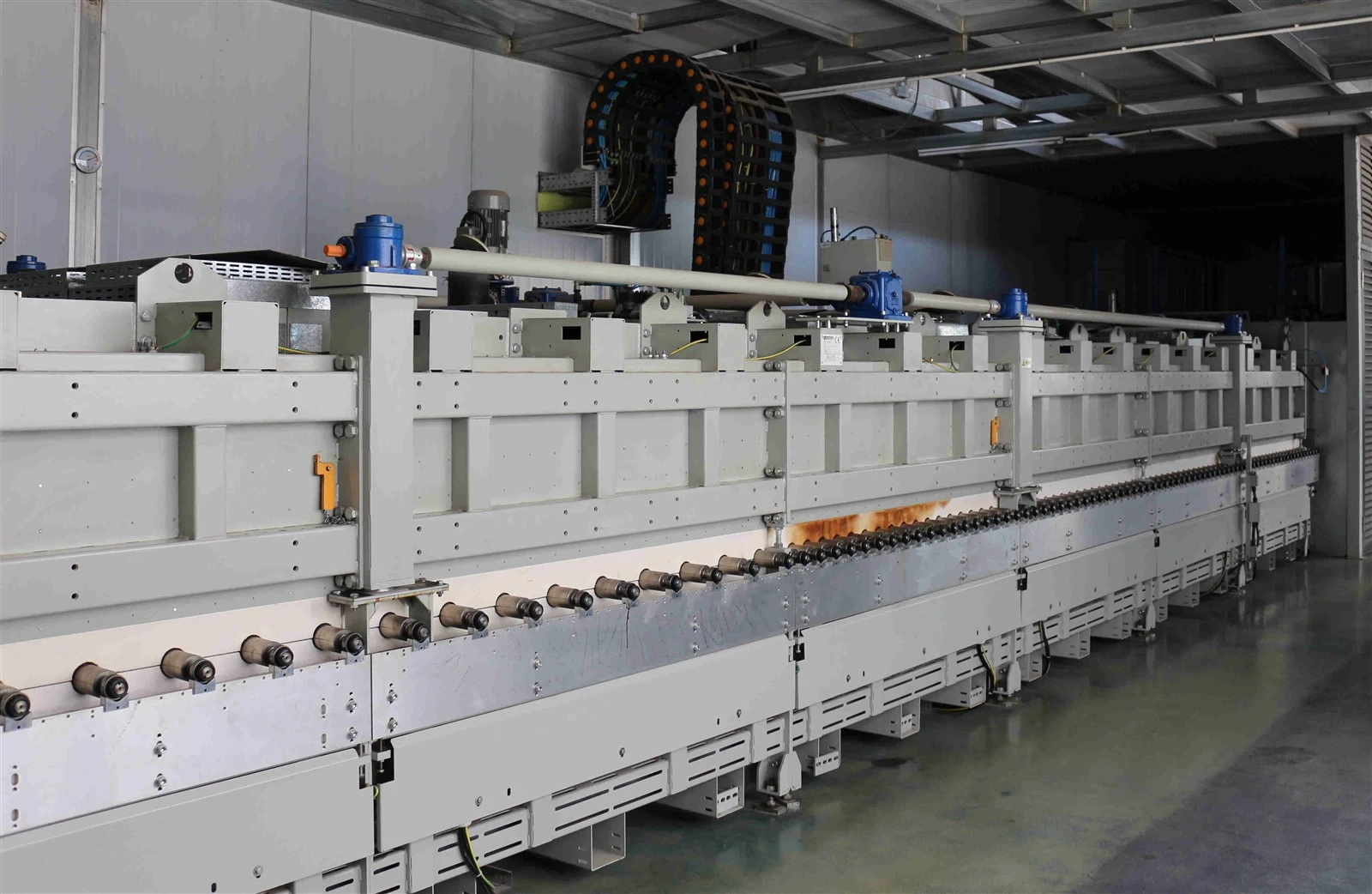
The tempering process itself is a critical factor in determining the thickness of oven glass. This process involves heating the glass to a high temperature and then rapidly cooling it, which strengthens the glass and increases its thermal resistance.
Heating and Cooling
During tempering, the glass is heated to temperatures of around 620-650 degrees Celsius. It is then quickly cooled using air jets, creating a layer of compression on the surface and tension within the core. This process makes the glass much stronger than untreated glass. The thickness of the glass must be sufficient to withstand this process without deforming or breaking.
Quality Control
Quality control during the manufacturing process ensures that the glass meets the required safety and performance standards. Manufacturers conduct rigorous testing to ensure that each piece of tempered glass is free from defects and can withstand the stresses of oven use. These tests include checking for uniform thickness, surface flatness, and thermal resistance.
Material Composition
The composition of the glass also affects its thickness requirements. High-quality, low-expansion borosilicate glass is often used for oven doors due to its excellent thermal properties. The purity and composition of the raw materials influence the glass's ability to withstand high temperatures and thermal shock.
Additives and Coatings
Some manufacturers add special coatings or additives to the glass to enhance its performance. For example, anti-reflective coatings can improve visibility through the oven door, while anti-scratch coatings can enhance durability. These coatings may require adjustments in the glass thickness to maintain optimal performance.
Technological Advances
Advances in glass manufacturing technology have enabled the production of thinner yet stronger tempered glass. Innovations such as chemical tempering and advanced cooling techniques have improved the performance of thinner glass, making it possible to achieve the same safety and durability standards with less material.
Chemical Tempering
Chemical tempering involves immersing the glass in a bath of potassium nitrate, which strengthens the surface through ion exchange. This process can create glass that is even stronger than traditional thermal tempering, allowing for thinner glass without compromising safety.
What Are the Benefits of Using the Right Thickness of Oven Tempered Glass?
Enhanced Safety
Using the correct thickness of tempered glass enhances the safety of the oven. Thicker glass provides better resistance to thermal shock and physical impacts, reducing the risk of breakage. This is especially important in households with children or high-traffic kitchens where accidents are more likely.
Shatter Resistance
One of the key safety benefits of tempered glass is its shatter resistance. If the glass does break, it shatters into small, blunt pieces rather than sharp shards. This significantly reduces the risk of injury. The right thickness ensures that the glass can withstand normal usage without breaking.
Improved Performance
The right thickness of oven tempered glass also improves the performance of the oven. Thicker glass provides better insulation, maintaining consistent oven temperatures and improving cooking efficiency. This results in more even cooking and better overall performance.
Heat Retention
Thicker glass retains heat better, which can enhance the cooking process by maintaining a stable temperature inside the oven. This is particularly important for baking and roasting, where consistent temperatures are crucial for achieving the desired results.
Durability and Longevity
Using the appropriate thickness of tempered glass extends the lifespan of the oven door. Thicker glass is more durable and less likely to suffer from stress fractures or impact damage. This means fewer replacements and repairs, resulting in long-term cost savings.
Maintenance and Care
Thicker tempered glass is also easier to maintain and care for. It is less prone to scratches and other surface damage, making it easier to clean and keep in good condition. Proper maintenance can further extend the life of the oven door and ensure optimal performance.
Energy Efficiency
Improved insulation from thicker glass can also contribute to energy efficiency. By maintaining consistent temperatures, the oven requires less energy to heat up and stay at the desired temperature. This can result in lower energy bills and a reduced environmental impact.

Conclusion
The ideal thickness of product depends on various factors, including safety standards, manufacturing processes, and practical considerations. Generally, a thickness of 3mm to 5mm is sufficient for most oven doors, but higher-end models may use thicker glass for additional strength and durability. Ensuring the right thickness enhances safety, performance, and longevity, making it a crucial consideration for both manufacturers and consumers.
For more information about our oven tempered glass products, please contact us at zhouxiangjun@chinahongweiglass.com.
References
1. ASTM International. (2024). ASTM C1048-18: Standard Specification for Heat-Strengthened and Fully Tempered Flat Glass. West Conshohocken, PA: ASTM International. Retrieved from https://www.astm.org
2. American National Standards Institute (ANSI). (2024). ANSI Z97.1: Safety Glazing Materials Used in Buildings - Safety Performance Specifications and Methods of Test. Washington, DC: ANSI. Retrieved from https://www.ansi.org
3. European Committee for Standardization (CEN). (2024). EN 12150-1: Glass in building - Thermally toughened soda lime silicate safety glass - Part 1: Definition and description. Brussels, Belgium: CEN. Retrieved from https://www.cen.eu
4. National Fire Protection Association (NFPA). (2024). NFPA 86: Standard for Ovens and Furnaces. Quincy, MA: NFPA. Retrieved from https://www.nfpa.org
5. United States Department of Commerce. (2024). Technical Bulletin 23: Code of Federal Regulations, Title 21 - Food and Drugs. Washington, DC: U.S. Government Printing Office. Retrieved from https://www.ecfr.gov
6. International Electrotechnical Commission (IEC). (2024). IEC 60335-2-6: Household and similar electrical appliances - Safety - Part 2-6: Particular requirements for stationary cooking ranges, hobs, ovens and similar appliances. Geneva, Switzerland: IEC. Retrieved from https://www.iec.ch