

Introduction to Tempered Glass Lamp Shades
Tempered glass lamp shades offer a blend of aesthetics and functionality, making them a popular choice for various lighting solutions.
In this article, I will explore the reasons why the products are a preferred option, delving into their benefits, applications, and the science behind their durability and safety.
Advantages of Using Tempered Glass Lamp Shades
Tempered glass is renowned for its strength and safety, which are key factors in its widespread use for lamp shades. Here are some of the main advantages:
Enhanced Safety: Tempered glass is designed to break into small, blunt pieces rather than sharp shards. This reduces the risk of injury if the lamp shade is accidentally broken. The safety aspect is particularly important in households with children or in public spaces where accidents can happen.
Increased Durability: Tempered glass is up to four times stronger than regular glass due to the thermal tempering process it undergoes. This increased strength means that they are more resistant to impacts, making them a long-lasting option for any lighting fixture.
Resistance to Heat: Tempered glass's ability to withstand high temperatures without breaking is one of its most distinctive characteristics. Because of its robotic appearance, this content is an excellent option for lamp shades, particularly for high-wattage bulbs that produce a lot of heat.
The thermal stability ensures that the lamp shade remains intact and functional even under intense heat.
Aesthetic Appeal: Tempered glass can be manufactured in various styles, colors, and finishes, providing a wide range of design options. Whether you prefer a frosted, clear, or colored glass shade, there is a tempered glass option to suit any decor. The versatility in design enhances the visual appeal of lighting fixtures, making them a focal point in any room.
Applications of Tempered Glass Lamp Shades
Tempered glass lamp shades are versatile and can be used in various settings. Here are some common applications:
Residential Lighting: In homes, the products are popular for living rooms, bedrooms, and kitchens. Their durability and aesthetic versatility make them suitable for different interior design styles, from modern to traditional.
Commercial and Industrial Settings: In commercial spaces like offices, restaurants, and retail stores, tempered glass lamp shades provide both functional and decorative lighting solutions.
Their ability to withstand higher temperatures and impacts makes them ideal for high-traffic areas.
In industrial settings, the durability and safety of tempered glass are essential, ensuring that lighting fixtures remain reliable in demanding environments.
Outdoor Lighting: For outdoor applications, tempered glass is an excellent choice due to its resistance to weather elements. Lamp shades made from tempered glass can endure extreme temperatures, UV exposure, and moisture without deteriorating. This makes them ideal for garden lights, porch lights, and other exterior lighting fixtures.
The Science Behind Tempered Glass
Understanding the process of tempering glass helps to appreciate its benefits fully.
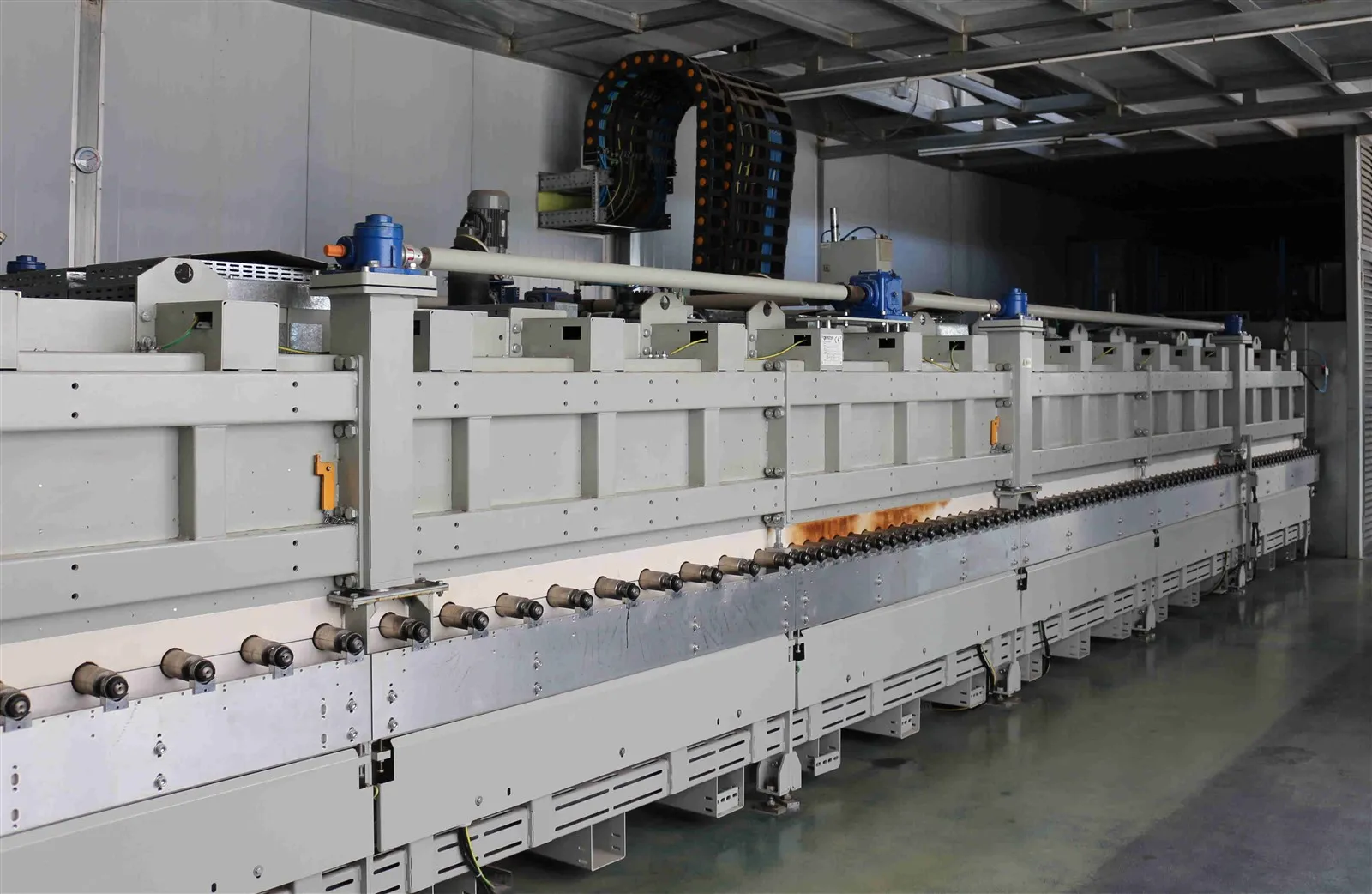
The process of thermal tempering, which entails heating the glass to about 620 degrees Celsius and quickly cooling it, is how temperate glass is made.
This process creates a balance of internal stresses that enhance the glass's strength and safety characteristics.
Thermal Tempering Process: During the heating phase, the glass is brought to a temperature just below its melting point. Rapid cooling, usually by blowing air onto both surfaces of the glass simultaneously, causes the outer surfaces to cool and harden first, while the inner part remains somewhat pliable for a longer period. This difference in cooling rates sets up compressive stresses on the surfaces and tensile stresses in the interior.
Stress Distribution: The compressive stress on the surface of the tempered glass makes it much more resistant to impact and mechanical stress. When the glass does break, the internal tensile stresses cause it to shatter into small, blunt pieces rather than sharp shards. This controlled shattering pattern significantly reduces the risk of injury, one of the key safety features of tempered glass.
Heat Resistance Mechanism: The thermal stability of tempered glass is another crucial benefit. The tempering process not only increases the glass's strength but also its resistance to thermal stress. This means that tempered glass can withstand sudden temperature changes, making it suitable for applications where heat resistance is essential, such as in lamp shades for high-wattage bulbs or in outdoor lighting exposed to varying weather conditions.
Maintenance and Care for Tempered Glass Lamp Shades
While tempered glass lamp shades are durable and long-lasting, proper maintenance can ensure they remain in excellent condition:
Regular maintenance: Glass lamp shades can become clogged with dust and dirt, affecting both their appearance and their ability to transmit light. Standard cleaning with a delicate material and a gentle glass cleaner can keep the shades looking immaculate. Try not to utilize rough materials or cruel synthetic substances that could harm the glass surface.
Handling Carefully: Albeit treated glass is a lot more grounded than standard glass, taking care of it with care is as yet significant.
Avoid dropping or striking the lamp shade, as severe impacts can still cause it to break. When installing or removing the lamp shade, ensure that it is securely supported and not subjected to undue stress.
Inspect for Damage: Periodically inspect the lamp shades for any signs of damage, such as chips or cracks. Even though tempered glass is designed to shatter safely, small cracks can compromise its structural integrity over time. If any damage is detected, it is best to replace the lamp shade to maintain safety.

Conclusion
Tempered glass lamp shades offer a range of benefits, from enhanced safety and durability to heat resistance and aesthetic versatility. Their applications in residential, commercial, industrial, and outdoor settings make them a practical and stylish choice for various lighting needs. Understanding the science behind tempered glass and following proper maintenance practices can help ensure that these lamp shades remain a reliable and attractive part of your lighting fixtures for years to come.
For more information about it, feel free to contact us at mailto: zhouxiangjun@chinahongweiglass.com.
References:
1. Kelly, P., & Waterhouse, P. (2007). *Glass Engineering Handbook*. McGraw-Hill Education.
2. Gu, X., Wu, Z., & Jin, G. (2018). "Review of Mechanical Properties of Tempered Glass." *Journal of Materials Science Research and Reviews*, 1(1), 1-10.
3. Ritter, A., & Elhami Khorasani, N. (2014). "A Review on the Properties of Tempered Glass Used in Architectural Glazing." *Journal of Materials Science Research*, 3(1), 102-112.
4. ASTM International. (2020). *Standard Specification for Heat-Strengthened and Fully Tempered Flat Glass*. ASTM C1048-18, ASTM International, West Conshohocken, PA, USA.
5. Chen, Y., Wang, X., & Li, G. (2019). "Heat Resistance and Thermal Stability of Tempered Glass." *Glass Technology: European Journal of Glass Science and Technology Part A*, 60(1), 11-16.
6. International Electrotechnical Commission (IEC). (2017). *Luminaires - Part 2-8: Particular Requirements - Luminaires for Emergency Lighting*. IEC 60598-2-22, IEC, Geneva, Switzerland.
7. Rajput, S., Chawla, S., & Grover, S. (2015). "A Review on Heat Treatment of Glass." *International Journal of Engineering Research & Technology*, 4(9), 638-641.