

In the modern era, environmental sustainability has become a crucial concern for individuals, businesses, and governments alike. As a supplier of Kitchen Tempered Glass, I often get asked about the recyclability of our products. This blog post aims to delve into the topic of whether kitchen tempered glass is recyclable, exploring the science behind it, the challenges involved, and the potential solutions.
Understanding Kitchen Tempered Glass
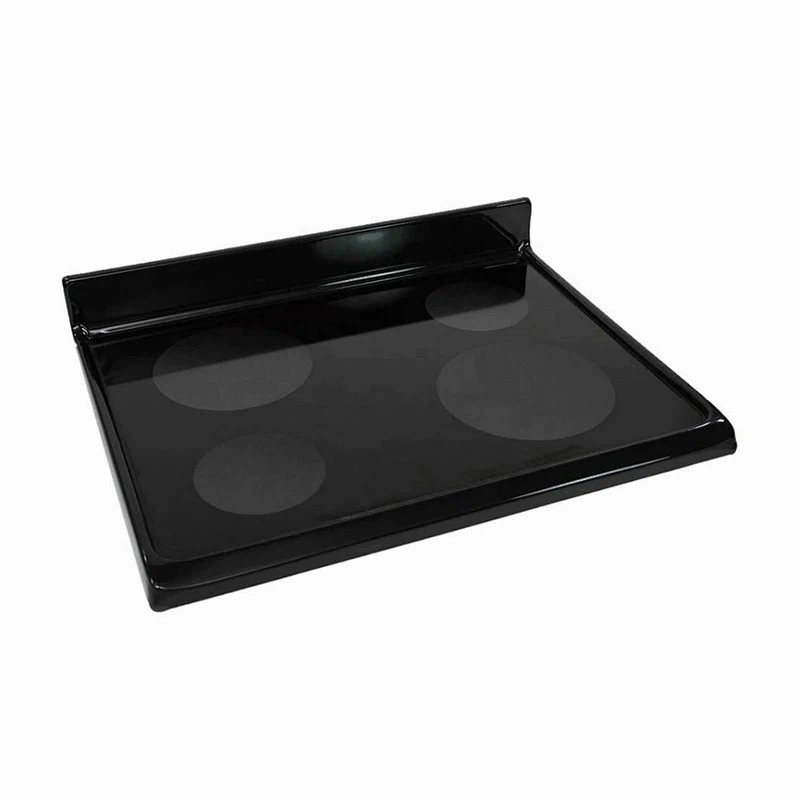
Kitchen tempered glass is a type of safety glass that is widely used in various kitchen applications, such as countertops, backsplashes, oven doors, and refrigerator shelves. It is created through a process called tempering, which involves heating the glass to a high temperature and then rapidly cooling it. This process creates a surface compression and internal tension within the glass, making it stronger and more resistant to breakage than regular glass. In the event of breakage, tempered glass shatters into small, relatively harmless pieces, reducing the risk of injury.
The Recyclability of Glass in General
Before discussing the recyclability of kitchen tempered glass, it's important to understand the general process of glass recycling. Glass is one of the most recyclable materials on the planet. It can be recycled indefinitely without losing its quality or purity. The recycling process typically involves collecting used glass, sorting it by color (clear, green, or brown), crushing it into small pieces called cullet, and then melting it down to make new glass products.
Recycling glass offers several environmental benefits. It reduces the demand for raw materials such as sand, soda ash, and limestone, which are used in the manufacturing of new glass. It also saves energy, as melting cullet requires less energy than melting raw materials. Additionally, recycling glass helps to reduce landfill waste and greenhouse gas emissions associated with glass production.
Challenges in Recycling Kitchen Tempered Glass
While glass is generally recyclable, kitchen tempered glass presents some unique challenges. The tempering process changes the physical properties of the glass, making it more difficult to recycle. When tempered glass is broken, it shatters into small pieces, which can be difficult to separate from other types of glass during the recycling process. Additionally, the small size of the pieces can make it challenging to melt them down efficiently.
Another challenge is the presence of coatings and laminates on kitchen tempered glass. Many tempered glass products in the kitchen are coated with materials such as low-emissivity (Low-E) coatings, anti-reflective coatings, or decorative laminates. These coatings and laminates can contaminate the recycling process and make it difficult to produce high-quality recycled glass.

Current Recycling Options for Kitchen Tempered Glass
Despite the challenges, there are some recycling options available for kitchen tempered glass. Some recycling facilities have the technology and equipment to process tempered glass. These facilities use specialized equipment to separate the tempered glass from other types of glass and remove any coatings or laminates. The tempered glass is then crushed and melted down to make new glass products.
However, not all recycling facilities are equipped to handle tempered glass. In many areas, tempered glass is still sent to landfills. This is because the cost of processing tempered glass can be higher than the cost of sending it to a landfill. Additionally, the demand for recycled tempered glass is relatively low, as it is often more expensive to produce than new tempered glass.
Potential Solutions and Innovations
To address the challenges of recycling kitchen tempered glass, several potential solutions and innovations are being explored. One approach is to develop new recycling technologies that can more efficiently process tempered glass. For example, some researchers are working on developing new methods for separating tempered glass from other types of glass and removing coatings and laminates.
Another solution is to design kitchen tempered glass products that are more easily recyclable. This could involve using coatings and laminates that are more easily removable or developing new types of tempered glass that are less difficult to recycle. Additionally, manufacturers could explore the use of recycled glass in the production of new tempered glass products, reducing the demand for virgin materials.
Our Commitment as a Kitchen Tempered Glass Supplier
As a supplier of Kitchen Tempered Glass, we are committed to promoting environmental sustainability. We understand the importance of recycling and are actively exploring ways to make our products more recyclable. We work closely with our customers to educate them about the proper disposal and recycling of our products.
We also strive to source our raw materials from sustainable suppliers and use energy-efficient manufacturing processes. Our Kitchen Tempered Glass products are designed to be durable and long-lasting, reducing the need for frequent replacements. Additionally, we offer a range of high-quality glass products, such as Round Transparent High Borosilicate Glass and 3mm 4mm High Temperature Borosilicate Glass Door, which are known for their excellent thermal resistance and recyclability.
Conclusion and Call to Action
In conclusion, while kitchen tempered glass presents some challenges in recycling, it is still possible to recycle it with the right technology and processes. As a society, we need to work together to find solutions to these challenges and promote the recycling of kitchen tempered glass. This includes supporting the development of new recycling technologies, designing more recyclable products, and educating consumers about the importance of recycling.
If you are in the market for high-quality kitchen tempered glass products, we invite you to contact us for a consultation. Our team of experts can help you choose the right glass products for your needs and provide you with information about the recyclability of our products. Let's work together to create a more sustainable future for our planet.
References
- American Glass Recycling Coalition. (n.d.). Glass Recycling Basics. Retrieved from [https://americanglassrecycling.org/glass-recycling-basics/]
- Environmental Protection Agency. (2021). Recycling Basics. Retrieved from [https://www.epa.gov/recycle/recycling-basics]
- Glass Packaging Institute. (n.d.). The Benefits of Glass Recycling. Retrieved from [https://www.gpi.org/benefits-of-glass-recycling]