

Hey there! As a supplier of Kitchen Tempered Glass, I often get asked about the hardness of this amazing material. So, let's dive right in and explore what makes kitchen tempered glass so tough.
First off, what exactly is tempered glass? Well, tempered glass is a type of safety glass that's been treated with heat or chemicals to increase its strength compared to regular glass. When it breaks, it shatters into small, relatively harmless pieces instead of large, sharp shards, which is why it's commonly used in kitchens and other areas where safety is a concern.
Now, let's talk about hardness. Hardness in glass is typically measured using the Mohs scale, which ranges from 1 (softest) to 10 (hardest). Diamond, for example, has a hardness of 10 on the Mohs scale. Kitchen tempered glass usually has a hardness of around 6 - 7 on the Mohs scale. This means it's pretty hard and can withstand a fair amount of wear and tear.
One of the main reasons kitchen tempered glass is so hard is the tempering process. During tempering, the glass is heated to a very high temperature and then rapidly cooled. This creates internal stresses in the glass, which make it stronger and more resistant to breakage. The outer surface of the glass is compressed, while the inner layers are in tension. This balanced stress distribution gives the glass its enhanced hardness and durability.
Another factor that affects the hardness of kitchen tempered glass is the composition of the glass itself. Most tempered glass is made from soda - lime glass, which is a common type of glass used in many applications. However, some high - end kitchen tempered glass may be made from borosilicate glass. Borosilicate glass has a higher resistance to thermal shock and is generally harder than soda - lime glass. If you're interested in a glass panel printer touch screen or a 3mm 4mm high temperature borosilicate glass door, you can check out these links: Glass Panel Printer Touch Screen and 3mm 4mm High Temperature Borosilicate Glass Door.
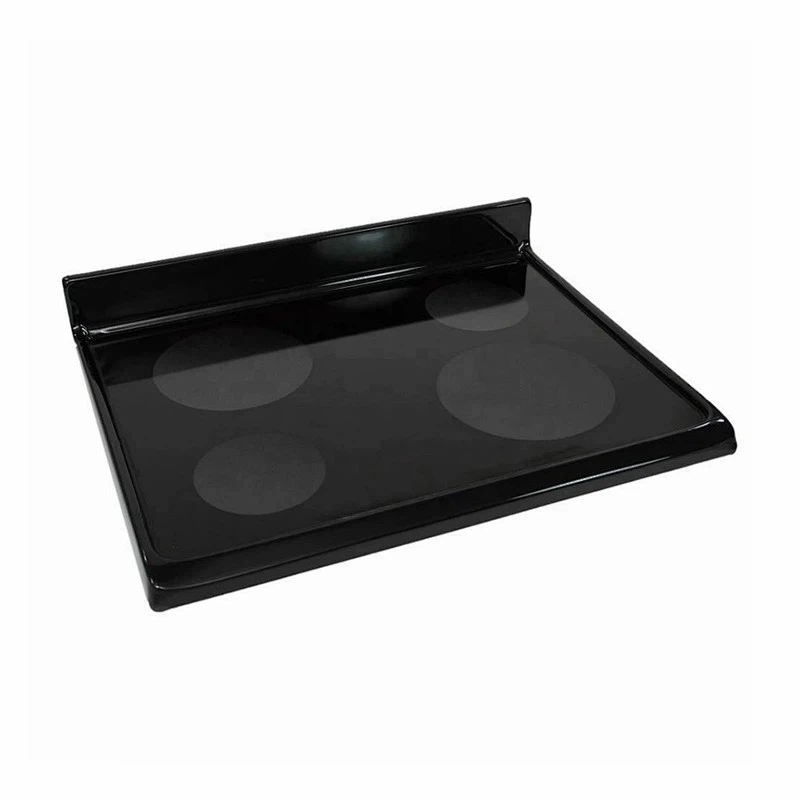
In a kitchen environment, the hardness of tempered glass is crucial. Kitchens are busy places where there's a lot of activity, and glass surfaces can be exposed to various impacts and scratches. For example, when you're chopping vegetables on a glass cutting board or placing hot pots and pans on a glass cooktop, you need a material that can handle it. The hardness of kitchen tempered glass ensures that it can resist scratches from knives, forks, and other utensils. It also stands up well to the heat from stovetops and ovens without cracking or breaking easily.
However, it's important to note that even though kitchen tempered glass is hard, it's not indestructible. There are still some things that can damage it. For instance, a sharp blow from a hard object at the right angle can cause the glass to break. Also, extreme temperature changes can sometimes lead to thermal stress and breakage. So, while it's tough, you still need to handle it with care.
When it comes to cleaning kitchen tempered glass, its hardness also plays a role. You can use regular glass cleaners without worrying too much about scratching the surface. The hard outer layer of the glass makes it easy to clean and maintain its appearance over time.
As a supplier of Kitchen Tempered Glass, I've seen firsthand the benefits of this material in kitchens. Whether it's for a sleek modern kitchen design or a more traditional setup, tempered glass adds a touch of elegance while providing the durability needed for daily use.
If you're in the market for kitchen tempered glass for your new kitchen renovation or a replacement for an old glass surface, I'd love to talk to you. I can offer you high - quality tempered glass products that meet your specific needs. Whether you need a custom - sized glass countertop, a glass backsplash, or a glass door for your kitchen cabinets, we've got you covered.
Don't hesitate to reach out if you have any questions or want to discuss your project in more detail. We can work together to find the perfect kitchen tempered glass solution for you.
References:

- "Glass Science and Technology" by D. R. Uhlmann and N. J. Kreidl
- "Handbook of Glass Properties" edited by W. A. Weyl and A. B. Schreurs